3 AM and Conan Doyle Had Me Spooked
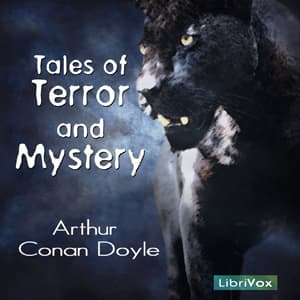
Okay, so here's the thing about listening to Victorian horror stories during a quiet night shift: it's either the best idea or the worst idea, and there's no in-between. I was charting at like 3:15 AM, the unit was weirdly calm (I knocked on wood, don't worry), and I had this collection queued up because I needed something to keep me awake that wasn't another true crime podcast. Sir Arthur Conan Doyle writing horror? Sign me up. The man who created Sherlock Holmes dabbling in terror? I was curious.
And honestly? Some of these stories genuinely creeped me out. In a hospital. Where I've seen actual trauma. That's saying something.
The Narration Situation (It's Complicated)
So this is a "Various Readers" situation, which - look, it's a mixed bag. Some of the narrators absolutely nail that old-school gothic atmosphere. There's this gravitas to the delivery that makes you feel like you're sitting in a dimly lit Victorian parlor while someone tells you about the horrible thing that happened to their cousin's friend. When it works, it really works.
But then you get transitions between stories where the quality just... shifts. One narrator might be pacing things perfectly, building that slow dread Doyle was so good at, and then the next story starts and suddenly someone's rushing through like they've got somewhere to be. I actually paused during one story because the pacing felt so off compared to what I'd just listened to. It's not deal-breaking, but it's noticeable. If you're the kind of listener who gets thrown off by inconsistency, fair warning.
The stories themselves though? This is Doyle at his atmospheric best. These aren't Sherlock Holmes mysteries where everything gets neatly explained. Some of these tales just... sit with you. The terror builds slowly - that "suppressed uneasiness" the description mentions is real. I was halfway through one story about a medical situation (I won't spoil which one) and I actually said out loud, "Oh, that's not good." To my empty car. At 6:45 AM on my drive home.
Carlos asked why I looked so unsettled when I got home. I blamed the traffic.
What Doyle Gets Right (And Wrong)
As someone who's actually worked codes and seen what real medical emergencies look like, I have to say - the medical elements in some of these stories are surprisingly not terrible for the 1890s. Like, obviously the science is outdated, but the feel of medical dread? The way illness and injury create psychological horror? Doyle was a doctor before he was a writer, and it shows. He understood that sometimes the scariest thing isn't a ghost - it's watching someone deteriorate and not knowing why.
That said, some of the stories are definitely stronger than others. A few of them drag in the middle, and there's this very Victorian tendency to over-explain things that modern readers might find slow. I bumped up to 1.25x speed for a couple of the longer tales and it helped. The pacing issues aren't all on the narrators - some of it is just the era's writing style.
The mystery stories in the collection are solid too, but honestly? The terror ones are why you're here. There's this one story - I think it was "The Terror of Blue John Gap" - that had me genuinely unsettled. And I've held a patient's hand while they coded. I don't unsettle easily.
Who This Is For
Perfect for that post-shift decompression if you want something engaging but not too demanding. The short story format is actually ideal for commutes or broken-up listening sessions - you can finish one tale and feel satisfied without needing to remember where you left off in a complicated plot.
If you're a Sherlock Holmes fan curious about Doyle's other work, this is a great introduction. If you love classic horror - Poe, Lovecraft, that whole vibe - you'll appreciate where Doyle fits in that tradition. My mom would probably hate this (she still thinks I should've been a doctor, and also she doesn't do horror), but my younger brother who's obsessed with gothic literature? Already texted him about it.
The inconsistent narration quality means I'd say sample first if you're picky about that stuff. But if you can roll with some variation, there's genuinely good storytelling here. Doyle knew how to build dread. He understood that the scariest moment isn't the reveal - it's the moment right before, when you realize something is very, very wrong.
Night shift approved. Just maybe don't listen alone in a quiet hospital at 3 AM unless you want to jump at every monitor alarm.