
The Debrief
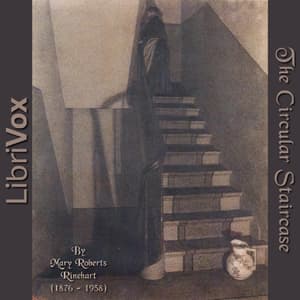
Let me cut to the chase - I picked this up expecting a dusty relic and got something that actually held my attention through a three-hour drive to Houston and back. The Circular Staircase from 1908. Yeah, 1908. I figured it'd be like reading a telegram. But Mary Roberts Rinehart - apparently the "American Agatha Christie" before Agatha Christie was even a thing - knew how to build tension.
Here's the setup: middle-aged spinster rents a country house, things go sideways fast. Secret rooms, stolen securities hidden in walls, bodies turning up. It's basically a haunted house mystery without the actual ghosts. (Though there are plenty of bumps in the night that'll make you wonder.) I was listening while Ranger dozed in the passenger seat on I-35, and I'll admit - a few of those late-night scenes had me checking my mirrors more than necessary.
The Voice Situation
Okay, so here's where it gets complicated. This version says "Various Readers" which is audiobook code for "we cobbled this together from different sources." And honestly? It shows. Some sections flow beautifully - there's narration out there by Aimee Lilly that apparently nails the period feel and the class distinctions between characters. Other parts... less so.
The main character, Rachel Innes, is supposed to be this sharp-tongued spinster aunt, and depending on which narrator you get, she either comes across as delightfully acerbic or just plain rude. I got sections where the character voices blended together enough that I had to rewind to figure out who was talking. In a mystery. Where knowing who said what kind of matters.
Look, I've sat through worse briefings. But when you're trying to track clues and suspects, unclear narration is like having a radio operator who mumbles. Mission-critical information gets lost.
What Actually Works
The story itself? Solid. Rinehart basically invented the "Had I But Known" mystery style - you know, where the narrator drops hints about the disaster coming. "Had I but known what awaited us in that house..." That kind of thing. It could be annoying, but she uses it to build genuine suspense.
The puzzle elements are surprisingly fresh. Secret passages, mysterious strangers, a circular staircase that becomes central to the whole mess. I've read modern thrillers with less imagination. And Rachel Innes, despite being a Victorian-era spinster, has more spine than half the protagonists in today's cookie-cutter mysteries. She doesn't sit around waiting to be rescued. She investigates. She confronts people. She's basically running her own intelligence operation out of a summer rental.
The atmosphere is where this audiobook earns its keep. When the narration hits right, you feel like you're in that creaky old house at 2 AM, hearing footsteps on the circular staircase. Rinehart knew how to pace a reveal.
Fair Warning
I need to address the elephant in the room. This book is from 1908. The racial attitudes and language reflect that era, and some of it is genuinely offensive by any modern standard. It's not constant, but it's there. If that's a dealbreaker for you, I get it. Skip this one.
Also - and this is just me being honest - the "various readers" format means your experience might vary wildly from mine. I caught sections that were clear and engaging, and sections where I was straining to follow. It's like getting a unit with mixed experience levels. Some perform, some need more training.
The Verdict
Worth your time? Here's the debrief: The Circular Staircase is a genuinely entertaining mystery that holds up better than you'd expect for something 115 years old. The plot moves, the tension builds, and Rachel Innes is a protagonist worth following. But this particular audiobook version is a mixed bag.
If you can find a single-narrator version - specifically the Aimee Lilly recording that apparently exists - that's probably your better bet. The "various readers" approach creates inconsistency that undermines the mystery experience.
I'm giving this 3 stars because the source material deserves better than the presentation it got here. Ranger slept through most of it, which either means it was calming or he's heard too many mysteries at this point. (Probably both.)
For classic mystery fans who can tolerate period attitudes and inconsistent narration, sample first. For everyone else, maybe hunt down a different edition. The story's worth experiencing - just maybe not this particular version of it.
Mission... partially accomplished.