
I have a confession to make. A big one. For the last twenty years, a paperback copy of War and Peace has been sitting on the bottom shelf of my classroom bookcase, acting as a structural load-bearing support for a stack of confiscated fidget spinners. I tell my AP English students it’s the greatest novel ever written. I nod sagely when they complain about the length. But honestly? I’d never actually finished it. I tried in grad school, got stuck somewhere around a description of a wolf hunt, and tapped out.
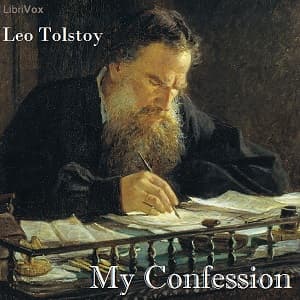
So, this week, while grading a stack of truly dismal essays on The Great Gatsby (no, Jay Gatsby is not "the original influencer," Kevin), I decided it was time. I downloaded the LibriVox version of Book 01: 1805. It’s free. It’s public domain. And it’s five and a half hours, which felt manageable compared to the sixty-hour commitment of the full text.
The LibriVox Lottery
Here’s the thing about LibriVox recordings—they are the potluck dinners of the audiobook world. Sometimes you get a narrator who brings a Michelin-star performance, pouring their soul into every syllable. Other times, you get someone recording in their bathroom with a fan running in the background.
This recording is a full-on collaboration, meaning the narrator changes every chapter or so. It’s... jarring. Just as you get used to a narrator who does a fantastic, haughty Prince Vasili, the chapter ends, and suddenly you’re listening to a completely different voice that sounds like they’re reading a grocery list while underwater.
(My wife Denise caught me adjusting the volume on my phone every ten minutes during our lakefront walk. She thought I was listening to techno. I wish.)
There is a certain charm to it, though. You can feel the love. These are volunteers—people who just really love Tolstoy—donating their time to make literature accessible. That’s beautiful. But from a performance art perspective? It’s rough. The pronunciation of Russian names is, let’s say, creative. If you’re a purist about how "Bezukhov" should sound, you might want to grab a stress ball.
Wait, This is Just 19th Century Gossip?
Setting the audio rollercoaster aside, can we talk about what Tolstoy is actually doing here? My students think this book is dry history. It’s not. Book 01 is basically Real Housewives of St. Petersburg.
It’s parties, social climbing, awkward conversations, and rich people behaving badly. Pierre Bezukhov is my favorite character precisely because he’s such a mess. He’s that guy who shows up to the party, knocks over a vase, says something inappropriate about politics, and then inherits a fortune. We all know a Pierre. (I might have been a Pierre in my 20s. Don't tell Principal Martinez.)
Because the narration is inconsistent, you have to work a little harder to keep the threads together. When the narrator shifts, the character voices reset. A character who sounded like a gruff baritone in Chapter 3 might sound like a breathless tenor in Chapter 4. It forces you to pay attention to the text itself rather than relying on the actor’s interpretation. In a way, it’s closer to the experience of reading—you have to do the heavy lifting of imagining the tone.
The Verdict
Is this the definitive way to experience War and Peace? No. If you have an Audible credit burning a hole in your pocket, go find a professional recording with a single, consistent narrator. Your ears will thank you.
But if you’re like me—a teacher on a budget, or someone who just wants to dip their toe into the Tolstoy ocean without drowning financially—this is a solid entry point. It’s imperfect. It’s messy. The audio levels jump around like a nervous freshman during a presentation.
However, it got me through the first five hours of a book I’ve been avoiding for two decades. And for the price of zero dollars, that’s a pretty good deal. I might even listen to Book 02. Just... maybe after I finish grading these Gatsby essays.