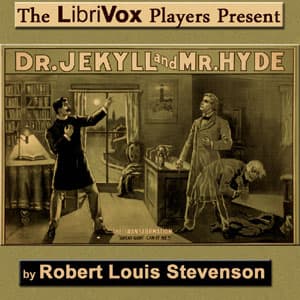

Look, let’s get the obvious out of the way first. We all know the twist. It’s been spoiled by everything from Scooby-Doo to generic Halloween costumes. You don't come to Jekyll and Hyde for the shock value anymore—you come for the dread. The creeping, nasty realization that the monster isn't under the bed. It's in the mirror.
So there I was, 11 PM on a Tuesday, lights off, Shirley (the cat, not the author, though the vibe was right) asleep on my legs. I decided to tackle this LibriVox version.
(Yes, I know. "Free volunteer audiobooks." Usually, that’s code for "recorded in a bathroom with a lawnmower running outside." As a librarian, I love the spirit of LibriVox, but as a horror snob? I’m picky. If the audio hisses, I’m out.)
But this? This is different.
The "Radio Drama" Energy
Here’s the thing about this specific recording (Version 4, for those keeping track): it’s a dramatic reading. A full cast. And honestly? It saves the book.
Stevenson’s prose is dense. It’s Victorian. It’s a lot of repressed men sitting in rooms looking worried. If you have one monotone narrator plowing through Utterson’s dry legal thoughts, it’s a snooze fest. I’ve tried listening to single-narrator versions before and zoned out somewhere around chapter three.
But this crew—Beth Thomas, ToddHW, and the rest—they treat it like a stage play. They aren't just reading; they're acting. The different voices create this texture that makes the London fog feel tangible. When the characters start panicking about the "breath upon a mirror" stuff, you actually feel the anxiety rising. It breaks up the density of the text and makes it feel urgent.
Is it studio-perfect? No. The audio levels shift a tiny bit between actors. But—and stick with me here—that slight roughness actually adds to the vintage horror aesthetic. It felt like I was tuning into a lost radio broadcast from the 1930s.
The Horror is in the Sadness
The real surprise wasn't the monster. It was the emotion.
(Don't tell my podcast listeners I got weepy over a Victorian sci-fi novella. Ruin my street cred.)
The research wasn't lying about that final chapter. The actor handling Jekyll’s final confession? He goes for it. He doesn't play it like a villain monologue; he plays it like a tragedy. It’s desperate. It’s pathetic in the best way.
Good horror—the kind I live for—isn't about jumpscares. It’s about watching someone lose control. Listening to this in the dark, hearing the voice crack... it hit harder than I expected. Shirley woke up because I stopped petting her to just stare at the ceiling, listening to a man’s soul disintegrate.
Should You Bother?
It’s less than three hours long. Seriously. You can finish this while deep-cleaning your kitchen or during a long commute.
If you’re used to the hyper-polished, sound-effect-heavy productions from Audible, this might feel a little stripped down. There’s no spooky background music, no slamming doors foley work. It’s just voices in the dark.
But that’s kind of the point.
If you want to understand why this story has survived since 1886, skip the movies. Skip the pop culture references. Listen to this specific version. It respects the gothic roots without feeling like homework.
Just maybe keep the lights on. Not because it's scary—but because it's heartbreaking.