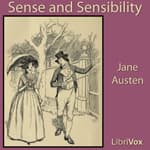

The Lakefront and the Dashwoods
I finished this one on a Sunday morning walk along Lake Michigan with Denise. We'd been out for about an hour, the wind coming off the water in that way it does in early spring - cold enough to remind you winter isn't quite done, warm enough to make you hopeful. And somewhere around the point where Elinor finally lets herself feel something after holding it together for three hundred pages, I had to stop walking. Just stood there on the path like an idiot, earbuds in, staring at the skyline while joggers went around me.
That's what Austen does when she's working. She makes you stop.
What Mark F. Smith Gets Right
Look, I'll be honest - I didn't know Mark F. Smith's work before this. Couldn't find much about him online beyond a few narrator credits. But based on eleven hours with the Dashwood sisters, the man understands something fundamental about Austen: the humor lives in the pauses.
His character differentiation is solid. Really solid. Mrs. Jennings - that wonderfully meddlesome gossip - sounds distinct from the cold calculation of Fanny Dashwood. And when he voices Lucy Steele, there's this slight edge of sweetness that curdles into something else if you're paying attention. Which is exactly how Austen wrote her. The narrator understands that pause is punctuation, and he uses it well during those moments where Elinor is clearly thinking one thing and saying another entirely.
Here's the thing though - he does occasionally run a bit fast. Not constantly, but enough that I found myself rewinding a few times during the denser passages of social maneuvering. (And Austen has a lot of those. The woman could write a five-page conversation about who sits where at dinner and make it feel like a battlefield.) At 1.0x - which, yes, I insist on - this wasn't a dealbreaker. But if you're someone who listens at higher speeds, you might find yourself missing the subtleties.
The Prose Deserves to Be Savored
This reminds me of what Hemingway said about Austen - that her novels were "perfect" and he couldn't forgive her for it. There's a precision to her sentences that rewards slow listening. The irony doesn't announce itself. It sidles up next to you and waits for you to notice.
Take the opening chapters, where John Dashwood convinces himself - with his wife's enthusiastic assistance - that his dying father's wish to provide for his sisters really meant he should give them almost nothing. Austen writes this scene as a masterclass in self-deception, and Smith narrates it with just enough earnestness that you can hear John believing his own nonsense. My students would hate this. I love it.
The contrast between Elinor and Marianne still works, two hundred years later. Elinor with her careful composure, Marianne with her dramatic feelings about everything - they're not just character types, they're two ways of surviving a world that doesn't particularly care about women without money. And that's what the author is really saying, underneath all the drawing rooms and carriage rides. These sisters are playing a game they didn't choose, with rules designed to hurt them.
Fair Warning
I should mention - some listeners have reported occasional audio glitches in certain versions. I didn't encounter anything major in mine, but it's worth knowing. A few garbled moments here and there, nothing that ruined the experience but enough to be mildly annoying if you're particular about production quality.
And yes, eleven hours is a commitment. This isn't a quick listen. But honestly? Sense and Sensibility earns its length. The slow build matters. By the time you reach the emotional payoffs - and there are several - you've lived with these characters long enough to feel it.
Who This Is For
If you loved Pride and Prejudice, this is its spiritual successor - or predecessor, technically, since Austen published it first. It's quieter than Pride and Prejudice, less immediately sparkling, but there's a depth to the emotional landscape that rewards patience.
Best for: long walks, grading papers at 11 PM (don't ask how I know), or any situation where you can give it real attention. This isn't background listening. The wit is too precise, the social dynamics too layered. You need to be present.
Consider skipping if: you need faster pacing, or if you're looking for something you can half-listen to during a workout. Austen requires engagement. She's earned the right to demand it.
The Verdict
Smith delivers a clear, expressive performance that highlights both Austen's humor and her painful moments. He's not the definitive Austen narrator - I'm not sure there is one - but he's a thoroughly capable guide through a novel that still has things to teach us about love, money, and the compromises we make between them.
Worth pausing the faculty meeting for. (Principal Martinez, if you're reading this, I was definitely paying attention to your budget presentation last Tuesday. I wasn't. I was listening to Elinor Dashwood finally tell Edward Ferrars the truth.)
Some books you read. Some books you live with for a while. This one stayed with me past the lakefront, past Sunday dinner, into the week. That's what the classics do when they're done right.