
The 1920s Business Book That Fits in One Commute
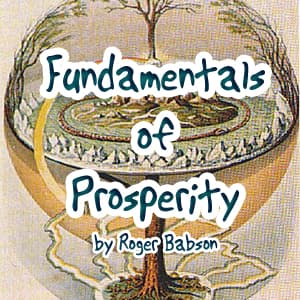
Okay, so I grabbed this one specifically because it's 80 minutes. That's it. That's the whole reason. I had a dentist appointment in the city that was going to mess up my usual commute rhythm, and I needed something I could start AND finish in one weird day of transit. Fundamentals of Prosperity by Roger Babson - a guy who literally founded Babson College - seemed like it'd scratch that "old-timey business wisdom" itch.
TL;DR: Worth your commute if you're into vintage prosperity gospel (the actual religious kind, not the Joel Osteen kind). Could've been a blog post, but honestly, most 1920s books could've been pamphlets by modern standards.
What You're Actually Getting
Look, here's the thing - this book is from 1920. One hundred years ago. Babson was writing in the aftermath of WWI, watching America go absolutely bonkers over material wealth, and basically wagging his finger at everyone saying "you've forgotten the foundation." His argument? Prosperity comes from character, thrift, integrity, faith - the invisible stuff below the surface that makes the visible stuff possible.
It's... not wrong? Like, if you strip away the very Christian framing (and there's a LOT of Christian framing), the core message is basically "don't optimize for short-term gains at the expense of long-term sustainability." Which, honestly, is advice half of Silicon Valley could stand to hear. I've debugged enough systems that were held together with duct tape and technical debt to know that foundations matter.
But here's where it gets tricky. Babson presents this as universal truth, but he doesn't really back it up with data. For a guy who was literally a statistician, there's surprisingly little statistical evidence here. It's more sermonic than scientific. If you're expecting something like "Good to Great" with charts and case studies, you're going to be disappointed. This is more like your grandfather's graduation speech - heartfelt, well-intentioned, and a little preachy.
Phil Chenevert Behind the Mic
I couldn't find much about Phil Chenevert's other work, but based on this performance, he's got that clear, no-nonsense delivery that works for this kind of material. There's a slight spiritual undertone to how he reads it - which makes sense given the content - and he doesn't try to jazz it up or make it something it's not. It's practical. Straightforward. Like a good audiobook should be when the source material is already pretty direct.
That said, fair warning: there's some background noise in the recording. Not constant, not deal-breaking, but noticeable if you're in a quiet environment. On a packed Caltrain at 6AM? Literally didn't notice. In bed with good headphones? Yeah, you'll hear it. This is clearly a LibriVox recording (free public domain stuff), so the production quality isn't going to match something from Audible. You get what you pay for, and in this case, you're paying nothing.
The ROI on this audiobook is actually pretty decent BECAUSE it's free and short. 80 minutes of "remember your values" isn't going to change your life, but it might give you something to chew on during a commute.
Who This Is Actually For
Perfect for: train, gym, chores. Anything where you want something playing but don't need to catch every word.
Skip for: deep work, or if you're allergic to religious framing in business advice.
If you're a Christian listener looking for something that connects faith and business success, this is basically tailor-made for you. Multiple reviewers specifically called this out as valuable for that reason. One person literally said "The book is a great read especially if you're a Christian." So there's your target audience.
If you're secular and want hard data? Meh. You'll probably find it frustrating. Babson makes big claims about the relationship between moral character and national prosperity without really proving causation. It's philosophy dressed up as economics.
And if you're looking for anything remotely modern or actionable? This ain't it. The advice is timeless in the way that "be a good person" is timeless - true, but not exactly a competitive advantage in 2024.
The Verdict
I finished this in half a commute. It's fine. It's free. It's short. Babson was clearly a smart guy with strong convictions, and there's something almost refreshing about hearing business advice that isn't "growth hack your way to success" or "10x your productivity with this one weird trick."
But let's be real - this is a historical curiosity more than a practical guide. I'm glad I listened to it, the same way I'm glad I've read old management theory that's been superseded by better research. It's interesting to see what people were worried about a century ago (spoiler: same stuff we're worried about now, just with different vocabulary).
Would I recommend it? If it's free on your platform and you've got 80 minutes to kill, sure. If you're paying actual money, maybe grab something with more substance. The foundation metaphor is good, the delivery is clean, but the house Babson built on it is pretty small.