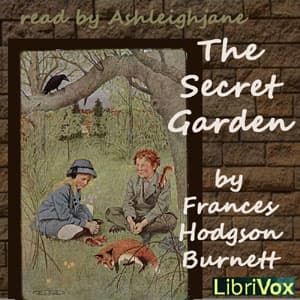

I finished grading a stack of sophomore essays on To Kill a Mockingbird - most of them clearly written the night before - and needed something to cleanse the palate. Something that reminded me why I fell in love with literature in the first place. So I pulled up The Secret Garden on my phone, plugged in my earbuds, and started walking the lakefront with Denise. Seven hours later (spread across a week of walks and one very long faculty meeting about standardized testing), I remembered.
This book. This book is why we still read the classics.
What Burnett Gets Right
Look, I teach teenagers who think anything written before 2010 is basically ancient scripture. And I get it - Victorian prose can feel stuffy, overwrought, like someone's grandmother lecturing you about manners. But Burnett does something sneaky here. She writes a children's book that's really about transformation, about how neglected things - gardens, children, souls - can bloom when someone finally pays attention to them.
Mary Lennox starts as genuinely unlikeable. Not in a cute way. She's spoiled, sour, and honestly kind of mean. My students would call her "toxic" and they wouldn't be wrong. But that's the point. Burnett isn't interested in giving us a ready-made heroine. She's interested in showing us how a person becomes one. The slow thaw of Mary's personality - through fresh air, through friendship, through the simple act of digging in dirt - that's the real magic here. Not the garden itself.
And Colin. Oh, Colin. The sickly cousin who's convinced he's dying because no one's ever told him otherwise. There's a scene where Mary essentially yells at him to stop being such a hypochondriac, and it's both uncomfortable and necessary. Burnett understood something my students need to hear: sometimes kindness looks like honesty.
Ashleigh Jane's Performance
Here's the thing about narrating classics - you can either treat them like museum pieces (careful, reverent, boring) or you can actually perform them. Ashleigh Jane performs. Her voice has this warmth to it that makes the Yorkshire dialect feel inviting rather than impenetrable. When Martha chatters on about the moor, you can hear the affection in it. When Mary snaps at servants, you hear the brittleness underneath the rudeness.
The pacing is deliberate. Some reviewers apparently found it slow, and - okay, I can see that. There are sections where the garden descriptions go on and on. But honestly? I think that's the point. The prose deserves to be savored. Burnett chose those words. She wanted you to feel the slowness of spring arriving, the patience required to coax something back to life. Jane understands this. She doesn't rush through the nature passages like they're obstacles to the plot.
That said, I couldn't find much about Ashleigh Jane online beyond this recording. Based on this performance though, she's got good instincts for children's literature - knows when to be theatrical (Dickon's animal friends) and when to pull back (Mary's quiet moments of realization).
The Listening Experience
I'll be honest - I zoned out during one section about the robin. Not Jane's fault. I was also trying to pretend I was paying attention to Principal Martinez explaining why we can't afford new copies of The Great Gatsby but can somehow afford a new scoreboard. (The robin section was more interesting.)
But the rest? The rest flew by. There's something about listening to this story while actually walking outside that makes it hit differently. The descriptions of the moor, the wind, the first green shoots - they land harder when you're breathing real air. Denise caught me smiling at nothing during the scene where Mary first finds the buried key. She asked what I was listening to. I said "homework." (It wasn't homework. It was joy.)
The audio quality is clean throughout. No weird volume shifts, no distracting background noise. Just Jane's voice and Burnett's words doing their work.
Who Should Listen
If you loved Anne of Green Gables or A Little Princess (Burnett's other classic), this is its spiritual sibling. Same era, same sensibility, same faith in the redemptive power of nature and friendship. If you're introducing a kid to classic literature, this is a perfect gateway - the language is accessible, the story moves, and the message isn't preachy.
If you need constant action, skip it. If Victorian prose makes you itch, skip it. If you're the kind of person who listens at 2x speed because "efficiency" - we have different values and that's fine, but this isn't your book.
My students would probably hate this. Too slow. Too old-fashioned. Not enough trauma. But that's exactly why I love it. Sometimes a story doesn't need to be dark to be meaningful. Sometimes it just needs to be true.
Final Thoughts
I assigned my juniors a reflection essay last week: "Write about a book that changed how you see something." I'm going to have to add The Secret Garden to my own answer now. Not because it taught me anything new about literature - I've read it before, taught it before. But listening to it, really listening, reminded me that transformation is slow work. Gardens don't bloom overnight. Neither do people.
Neither do teenagers who write essays the night before they're due. But we keep trying.
Ashleigh Jane's narration is the right companion for this journey. Warm without being saccharine. Patient without being dull. Worth pausing the faculty meeting for.