
The Debrief
Look, I picked this one up on a long drive to Houston - client meeting about warehouse security, the kind of boring stuff that pays the bills. Eight hours of Texas highway stretching ahead of me, and I figured an old Edgar Wallace thriller might scratch that itch. Wallace wrote something like 175 novels, which is insane when you think about it. The man was basically a one-man content factory before that was even a thing.
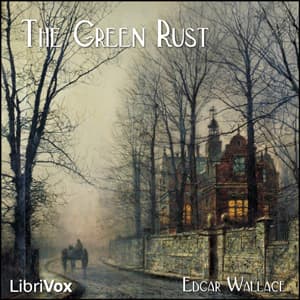
Let me cut to the chase: this is pulpy, early 20th-century thriller writing with all the charm and all the creakiness that implies. A millionaire gets stabbed in his sickbed. His long-lost niece is about to inherit millions but doesn't know it. There's a mysterious "Mr. Beale" who claims to be a wheat merchant but is clearly something else entirely. And there's this whole bioterrorism subplot involving a fungus that could destroy the world's wheat supply - the "green rust" of the title. For 1919, that's pretty wild stuff.
Where Wallace Gets It Right
The setup is actually solid. Wallace knew how to hook you - the opening murder, the vulnerable heiress who doesn't know she's an heiress, the shadowy figures circling her. It's got that classic thriller DNA that still works. I've seen enough real-world security situations to appreciate when an author understands how predators operate, how they isolate targets, how they create dependency. Wallace gets the psychology right even if some of the plot mechanics are, well, rickety.
And honestly? The bioterrorism angle was ahead of its time. A weapon that could starve entire nations by destroying their crops - that's not Hollywood nonsense. That's a legitimate strategic threat. I've sat in briefings about agricultural terrorism. Wallace stumbled onto something real here, even if he wraps it in melodrama.
But here's where it lost me in places: the pacing is all over the map. Some episodes rush by so fast you're not sure what just happened. Others drag. Wallace was writing for serialization, cranking out chapters on deadline, and you can feel it. The plot gets "delightfully sensational" as one reviewer put it, but also "quite rickety." That's generous. There are moments where coincidence does way too much heavy lifting.
The Narration Situation
Don W. Jenkins handles the LibriVox recording, and I need to be straight with you - this is volunteer audiobook territory. The audio quality is clean, no complaints there. Jenkins is clearly competent, provides a nice introduction, and is definitely better than having your Kindle robot-voice the thing at you. (Yes, I've done that on desperate road trips. Ranger looked at me like I'd betrayed him.)
But the pacing and intonation? Not quite dialed in. There's an unevenness to it that pulled me out of the story a few times. It's not bad narration - I've heard way worse from professional productions that cost actual money. It's just... adequate. Workmanlike. He gets the job done without any real flourishes.
I listened at my usual 1.25x, which actually helped smooth out some of the slower stretches. If you're finding the pacing draggy, bump up the speed. It won't hurt anything.
Worth Your Time?
Here's the thing about classic pulp thrillers - you have to meet them where they are. This isn't a tightly plotted modern procedural. It's 1919 sensationalism with mustache-twirling villains and damsels in distress and heroes who show up at exactly the right moment. If you can roll with that, there's genuine fun here. Wallace could write a page-turner even when his plots were held together with string and hope.
Best for: long drives where you want something entertaining but not demanding. Chores. Anything where half your attention is elsewhere anyway. This isn't a book that requires deep focus - it's a book that keeps you company.
Skip if: you need polished, professional narration or you have zero patience for early 20th-century storytelling conventions. Also skip if bioterrorism themes are going to bug you, though it's handled in that old-fashioned adventure-story way rather than anything graphic.
Final Verdict
It's free. It's eight hours. It's competently narrated classic pulp from one of the most prolific thriller writers in history. Not Wallace's best work, but entertaining enough for what it is. I didn't regret the time, and Ranger slept through most of it, which is either approval or indifference - hard to tell with him.
Mission accomplished, barely. If you're a Wallace completist or just want to sample what thrillers sounded like a century ago, go for it. Everyone else should probably sample first and see if the narration style works for you.