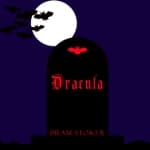

The Night Dracula Took Over My Commute
So I finally did it. After years of owning various versions of Dracula and never quite finishing them - yeah, I know, shameful for someone who claims to love Gothic horror - I committed to the full-cast audiobook. Eighteen hours. My entire week of commutes plus a few late-night sessions where I probably should've been sleeping but was too creeped out to stop listening.
Here's the thing about Stoker's Dracula that I'd somehow forgotten: it's not actually a novel in the traditional sense. It's a scrapbook of horrors. Journal entries, letters, newspaper clippings, telegrams - all stitched together like some Victorian true crime podcast. And honestly? That epistolary format is made for full-cast audio. Each narrator becomes an actual person handing you their piece of the puzzle. Jonathan Harker's increasingly frantic diary entries hit different when you hear the fear creeping into his voice.
Why Full-Cast Was the Right Call
Look, I've listened to single-narrator versions of classics before, and they can work beautifully. But Dracula specifically benefits from the ensemble approach in a way that, say, Jane Eyre wouldn't. You've got what - six or seven major POV characters? Mina and Jonathan Harker, Dr. Seward with his phonograph recordings (meta, right?), Van Helsing with that Dutch-accented English that could easily become cartoonish but mostly doesn't here.
The cast brings something essential: you actually feel the collaborative nature of the vampire hunt. When these characters are comparing notes and piecing together Dracula's movements, it sounds like a real war room. Dr. Seward's clinical detachment plays against Quincey Morris's Texas drawl - and yes, there's a Texan in this Victorian horror novel, which still cracks me up every time I remember it.
That said, I did notice some inconsistency in the accents. Van Helsing's Dutch inflection wandered a bit between sessions, and occasionally the dramatic choices got... let's say theatrical. There were moments where I thought, "Okay, dial it back about 15%." But honestly? For Gothic horror from the 1890s, a little melodrama feels appropriate. Stoker wasn't exactly going for subtle.
The Slow Burn That Actually Works
I'm not gonna lie - this audiobook is a commitment. Eighteen hours is a lot, and there are stretches in the middle where the pacing drags. The section where Lucy Westenra is slowly declining while everyone's running around confused? It felt endless. I found myself checking how much time was left more than once.
But here's what I realized around hour twelve: that slowness is kind of the point. Victorian horror operates on dread, not jump scares. The mounting tension of watching characters almost figure out what's happening - knowing what we know from a century of vampire media - creates this unbearable dramatic irony. When Van Helsing finally starts laying out his vampire theory and everyone thinks he's lost his mind, I was basically yelling at my dashboard.
The audio production helps bridge the slower sections. There's subtle sound design - nothing overwhelming, but enough atmospheric touches that you feel the Gothic mood. Castle Dracula scenes have this echoey quality that made my morning commute feel significantly more ominous than usual. (My coworkers probably wondered why I looked so unsettled walking in from the parking lot.)
What Surprised Me
I expected the horror elements. What I didn't expect was how much this is actually Mina Harker's story. She's the one compiling all these documents, the one using her "man's brain" (Stoker's words, very Victorian) to track Dracula's movements. The actress voicing her brings this quiet intelligence that anchors the whole production. When the men are running around being heroic and dramatic, Mina's the one actually solving the problem.
Also - and maybe this is just me - but I found Dracula himself scarier for how little we hear from him directly. He's mostly a presence, a threat discussed in terrified journal entries. When he does speak, it's brief and chilling. The voice they gave him works precisely because it's restrained. No campy "I vant to suck your blood" nonsense.
Who Should Listen
If you've only experienced Dracula through movies and TV adaptations, the original will surprise you. It's slower, weirder, and more genuinely unsettling than most adaptations capture. The full-cast format is the way to go if you're intimidated by Victorian prose - having actual voices carry the story makes those 19th-century sentence structures way more accessible.
But fair warning: if you need constant action, this might test your patience. There are long stretches of people writing letters about their feelings. It's Gothic literature, not a thriller. Adjust your expectations accordingly.
Perfect for: October listening, long road trips, anyone who wants to finally read the classic but keeps bouncing off the text.
Maybe skip if: You need fast pacing, you're bothered by occasionally inconsistent accents, or you're expecting the Bela Lugosi version.
The Verdict
After 2,000+ audiobooks, I can say this full-cast Dracula is the definitive way to experience Stoker's novel. The epistolary format was practically begging for this treatment, and despite some minor quibbles with pacing and the occasional over-dramatic moment, it delivers. I finally understand why this book invented the modern vampire myth. Sometimes the classics earn their reputation.
Just maybe don't start it right before bed. I made that mistake twice.