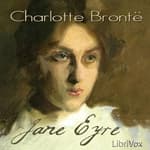

I was grading sophomore essays on symbolism in The Great Gatsby - the same five recycled thesis statements I've seen for two decades - when I decided I needed a palate cleanser. Something with actual prose. Something that reminded me why I got into this profession in the first place. So I queued up Elizabeth Klett's narration of Jane Eyre and let Charlotte Brontë's sentences wash over me like a literary baptism.
Eighteen hours and forty minutes later, I emerged from Thornfield Hall a changed man. (Okay, maybe not changed. But definitely reminded.)
Why This Novel Still Matters
Look, I've taught Jane Eyre more times than I can count. I've dissected its proto-feminist themes, its Gothic conventions, its revolutionary first-person voice. But listening to it - really listening - hit different. There's something about hearing Jane speak directly into your ears during a lakefront walk that makes her declaration "I am no bird; and no net ensnares me" land with fresh force.
Brontë wrote this in 1847, and yet Jane's voice feels startlingly modern. She's angry. She's principled. She refuses to be diminished. My students always want to skip to the "romance parts," but the real revolutionary act is in the first third - a child daring to tell her abusive aunt that she's wrong. That she'll remember. That scene gave me chills walking past the Shedd Aquarium, and I've read it probably thirty times.
The prose deserves to be savored. Brontë's sentences have this coiled intensity, this way of building tension through syntax alone. Rochester's secrets don't just unfold - they accumulate, pressing against the narrative until something has to give. This is why we still read the classics. They earned their place.
Elizabeth Klett's Interpretation
Here's the thing about narrating a first-person novel: you're not just reading words, you're becoming the protagonist for eighteen hours. Klett understands this. Her Jane is measured, intelligent, observant - exactly as Brontë wrote her. There's a warmth there, but also steel. When Jane stands up to Rochester, you hear both the vulnerability and the iron will.
Klett's pacing is deliberate, and I mean that as a compliment. Some reviewers have called it slow, but - and this is the teacher in me talking - the author chose those words. Brontë's sentences have a rhythm, a cadence that rewards patience. Klett honors that. She gives the Gothic atmosphere room to breathe, lets the tension build naturally rather than rushing toward plot points.
The character differentiation is solid. Rochester's brooding energy comes through, though I'll admit some of the Yorkshire dialect moments pulled me out slightly. Minor quibble. The real test is whether Klett can sustain Jane's interior voice across nearly nineteen hours, and she absolutely can. By the time we reach the famous "Reader, I married him," the intimacy feels earned.
The Listening Experience (Or: How I Survived Faculty Meetings)
I'm going to be honest with Principal Martinez if she ever reads this: I listened to approximately four hours of this audiobook during budget presentations. The moors of Yorkshire are significantly more compelling than projected enrollment figures. (Sorry not sorry.)
But the real magic happened during my evening walks with Denise. She doesn't do audiobooks - says she can't focus - but she'd catch me stopping mid-stride, rewinding thirty seconds to hear a passage again. "What now?" she'd ask. And I'd try to explain how Brontë just described Thornfield Hall in a way that made me see every Gothic novel that came after differently.
This is a commitment listen. Eighteen-plus hours is no joke. But it never dragged for me, which is saying something for a Victorian novel with extended passages about Jane's teaching career. The audio production is clean and clear - LibriVox quality has come a long way, and this recording is crisp enough for outdoor listening without cranking the volume.
Who Should Listen
If you loved Wuthering Heights (Emily's wilder, stranger sibling novel), this is its more controlled cousin. Same Gothic DNA, different execution. If you're an Austen fan who wants something with more darkness and interiority, Jane Eyre delivers. And honestly? If you're a teacher who's lost the joy of reading under piles of student papers, this might be your reminder too.
Fair warning: if you need fast pacing and constant action, this will test your patience. Victorian novels breathe differently. They assume you have time. They reward attention. My students would hate this. I love it.
Also worth noting - there are other excellent narrations out there. Rosamund Pike did a version that's gotten rave reviews. But Klett's interpretation is free (LibriVox), it's well-produced, and it's genuinely good. For a classic this essential, that's worth celebrating.
Final Thoughts
I finished the last chapter while grading at 11 PM, red pen in hand, Brontë in my ears. Jane's hard-won happiness felt like a gift after everything she endured. And then I looked down at another essay claiming Gatsby's green light represents "hope and stuff" and sighed.
But that's the thing about great literature, right? It doesn't fix anything. It just reminds you that someone, 175 years ago, understood something true about dignity and desire and refusing to be small. And that a good narrator can make you feel that understanding fresh.
Worth every minute of those eighteen hours. Worth pausing the faculty meeting for.