
The Night Shift Confessional
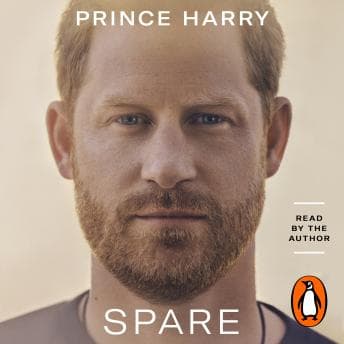
Okay, so I finished this at 4 AM in the break room while my patient was finally stable and sleeping. The unit was quiet - knock on wood - and I had my earbuds in, listening to Prince Harry talk about his frozen penis in the Antarctic, and I just... sat there. Staring at my cold coffee. Thinking about how this man's life is so wildly different from mine, yet somehow he's describing grief in a way that made me think about my Lola's funeral when I was nineteen.
That's the thing about this audiobook. It sneaks up on you.
When Royalty Gets Real
Look, I went into this expecting celebrity drama. Tea about William. Shade at Camilla. The tabloid stuff. And yes, that's there - the man does not hold back about the press or his family dynamics. But what I wasn't prepared for was how raw the mental health stuff would be. Harry talks about panic attacks in a way that's... actually accurate? As someone who's actually worked codes on patients in psychiatric crisis, who's held hands with people coming down from the worst moments of their lives, I can tell you - he's not performing vulnerability. He's describing it.
The PTSD from Afghanistan. The way he'd dissociate. The drinking to cope. I've seen this pattern in so many veterans who come through our trauma bay. It's textbook, but not in a clinical way - in a "this is what it actually feels like" way. When he described the panic attacks hitting him before public events, the physical symptoms, the desperate need to escape - I believed him. That's not something you can fake for fifteen hours.
And then there's the grief. Oh, the grief. Twelve years old, walking behind his mother's coffin, being told not to cry because the world was watching. I'm the eldest of five. I've been the one holding it together at funerals because someone has to. That pressure to perform composure while you're dying inside? I felt that in my chest.
Harry Behind the Mic
Here's where it gets interesting - he narrates this himself. And honestly? It works. His voice has this quality that's hard to describe. Not polished like a professional narrator. Sometimes he speeds up when he's angry, slows down when he's sad. There are moments where you can hear him almost smiling, and others where the weight of what he's saying seems to physically affect his delivery.
Is it perfect? No. Some sections feel like he's reading rather than telling, especially the more political bits about the institution. But when he's talking about Meghan, about his kids, about his mother - that's when you forget you're listening to a prince and just hear a guy who's been through it.
The accent helps, I won't lie. There's something about that British delivery that makes even the petty family squabbles sound dignified. But it's the breaks in that composure that got me. When he talks about the last phone call with Diana, the one he rushed through because he wanted to get back to playing - I had to pull over. Carlos asked why I was crying in the car. I blamed allergies.
What Might Make You Throw Your Phone
I'm gonna be real with you. This book is long. Fifteen hours and forty minutes long. And not all of it is compelling. The military sections drag in places - lots of detail about training and deployments that, while clearly important to Harry, felt repetitive by hour ten. There's also a LOT of "the press did this, the press did that" which, valid, but after the eighth time, I got it.
And some of the revelations are... odd choices? The frostbitten penis story. The detailed account of losing his virginity. Details about drug use that made me go "sir, why are you telling us this." It's almost like he wanted to beat the tabloids to every possible story they could twist, so he just... told everything first. Strategic, maybe. But also occasionally uncomfortable.
Also - and this is my nurse brain talking - some of his descriptions of Meghan's miscarriage and mental health struggles felt like they weren't entirely his to share in such detail. I get that it's his story too, but there were moments I wondered if she'd approved every word.
Who This Is For
My mom would love this. She still thinks I should've been a doctor, but she's also deeply Catholic and deeply into stories about family obligation and breaking free from expectation. This is that story, just with castles and crowns instead of nursing school applications and disappointed sighs at family dinners.
If you're someone who's dealt with grief that got complicated by family dynamics - this will hit. If you've struggled with mental health while trying to keep up appearances - this will hit. If you're just here for the royal drama - there's enough to satisfy, but you might be surprised by what else you get.
Night shift approved, but maybe not for the really quiet nights when you need something light. This one requires emotional bandwidth.
The Bottom Line
Is it self-indulgent in places? Sure. Is Harry always the hero of his own story? Obviously. But there's something here that transcends the celebrity memoir genre. It's a grief memoir wearing royal robes. It's a mental health narrative that happens to involve palaces. And hearing it in his own voice, with all the imperfections and emotional breaks - that's something the print version can't give you.
I didn't expect to recommend this to my coworkers. But I did. Even the ones who rolled their eyes at "another celebrity book." Because underneath all the privilege and the drama, there's a guy who lost his mom at twelve and spent twenty years trying to figure out how to live with that.
I know something about carrying grief while the world expects you to function. Most of us do. That's the part that stays with you.