
Look, I know what you’re thinking.
"Marcus, you teach AP English. You spent three weeks lecturing on the symbolic significance of the green light in Gatsby. Why are you listening to the memoir of the woman who famously confused tuna with chicken?"
I get it. Honestly, I judged me too.
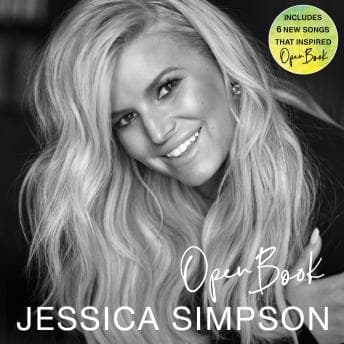
I was walking along Lake Michigan, freezing my face off in typical Chicago fashion, trying to decompress after grading a stack of truly abysmal essays on The Scarlet Letter. I needed something light. Something fluffy. Something that required zero brain cells. So, I downloaded Open Book.
(I told my wife Denise it was for "cultural anthropology." She rolled her eyes so hard I heard it.)
But here’s the thing—and I say this with the same seriousness I apply to Faulkner—this audiobook is a legitimate piece of Southern Gothic storytelling.
The Unreliable Narrator (Who is Actually painfully Reliable)
In literature, we talk about the "narrator's voice." Usually, we mean the style. Here, I mean the actual, physical voice. Jessica (we’re on a first-name basis now, I decided) narrates this thing herself, and she doesn't just read it. She relives it.
She has this raspy, Texas drawl that sounds like it’s been steeped in whiskey and hairspray. It’s warm. It’s messy. There are moments where she literally breaks down crying while reading about her abuse or her addiction struggles.
A polished, Juilliard-trained narrator would have paused, taken a sip of water, and done a clean take. Jessica leaves the sniffles in.
Some reviews I read called this "over-performing" or "fake tears." I disagree. Strongly. As someone who listens to teenagers try to explain why they didn't do their homework every day, I know what a fake cry sounds like. This isn't it. This is the sound of someone reading their old journals—she’s kept them since she was fifteen!—and realizing how much pain they were actually in.
It reminds me of what we tell students about memoir: it’s not about what happened, it’s about how it felt. And boy, does she make you feel it.
The Plot Twist: She's Smarter Than Us
The narrative arc here is surprisingly tight. We have the "Chicken of the Sea" incident, obviously. But hearing her explain the pressure of being a preacher's daughter thrust into the MTV spotlight... it recontextualizes the whole "dumb blonde" archetype.
She talks about the industry executives discussing her weight, the "sexual napalm" comment from John Mayer (who comes off as the quintessential literary villain here—manipulative, obsessed with his own intellect, basically a Byronic hero but without the charm), and her reliance on alcohol to numb the noise.
(Side note: The John Mayer chapters? Yikes. If I ever catch one of my students dating a guy who uses vocabulary words just to make them feel small, I’m assigning this book as mandatory reading.)
The inclusion of the music is a nice touch, too. Usually, I hate when audiobooks add sound effects—it feels cheesy. But having the songs woven in helps pace the emotional beats. It’s multimedia storytelling. My students would call it "meta." I’d call it effective.
Where It Gets Messy (In a Good Way)
Is it perfect? No.
The pacing is all over the place. Sometimes she lingers on a point for way too long, circling it like a drain. And yes, if you’re used to the crisp, British diction of a classic narration, her voice might grate on you after hour six. It’s a lot of emotion.
But that’s why it works.
We spend so much time in English class analyzing the "Human Condition." We want characters to be flawed, vulnerable, and real. Yet when a pop star actually gives us that—strips away the PR veneer and shows us the ugly, messy insides—we criticize her for not sounding professional enough?
Please.
This is a woman reclaiming her own narrative after two decades of being a punchline. That’s a theme worthy of a thesis statement.
The Verdict
I listened to the last hour while sitting in my car in the school parking lot, 20 minutes late for a department meeting. (Sorry, Principal Martinez. I was... doing research.)
If you want a polished history lesson, go download a biography of Churchill. But if you want to hear a survivor tell her story with the kind of raw honesty that most "literary" authors spend their whole careers trying to fake, listen to this.
It’s messy, it’s loud, and it’s surprisingly profound. Just maybe don't listen to it while grading papers. You'll end up giving everyone an A just for surviving their teenage years.