
The Weight of History at 4 AM
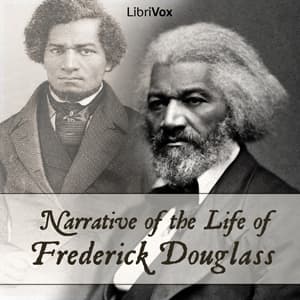
Look, I'm going to be honest with you. I started this one during a particularly brutal stretch of nights - we'd had three codes in two days, and I needed something that would make me feel something other than exhausted. Frederick Douglass's narrative seemed right. Important. The kind of thing my mom would approve of, you know? "Finally, Maria, something educational." (She still sends me articles about Filipino nurses who became doctors. I love her, but come on.)
And the content? Absolutely devastating in the best way. Douglass writes with this clarity that cuts right through you. When he describes learning to read, trading bread for lessons from poor white kids in Baltimore, I had to pull over in the hospital parking garage because I couldn't see straight. Here's a man who understood that literacy was freedom - literally, not metaphorically - and fought for every letter. As someone whose parents sacrificed everything so their kids could go to school in America, that hit different.
The Narration Problem (And It Is a Problem)
Okay, so here's where I have to be real with you. Jeanette Ferguson is a volunteer narrator - this is a LibriVox recording, which means free, which means you get what you pay for. And I want to be fair because volunteering your time to make literature accessible is genuinely noble work. But.
But.
She stumbles. A lot. The 19th-century language trips her up, and you can hear her struggling with some of the more archaic phrasing. There were moments where the flow just... died. And this is Frederick Douglass we're talking about - one of the greatest orators in American history. His words deserve to soar, and instead they sometimes land with a thud.
I found myself getting frustrated during my drives home, which is the opposite of what I need at 7:30 AM after twelve hours of keeping people alive. When Douglass is describing the brutality he witnessed - and let me tell you, as someone who's seen trauma, his descriptions of violence are unflinching and real in a way that modern writers often get wrong - the narration should carry that weight. Instead, I'd get pulled out by a stumble or an awkward pause.
Why I'm Still Recommending It (Sort Of)
Here's the thing. The content is essential. I mean that literally - this should be required listening for every American. Douglass's account of slavery isn't abstract or distant. It's specific. It's names and places and the exact number of lashes. It's the systematic destruction of families and the deliberate denial of education. As someone who works in healthcare, I kept thinking about how we document everything now - every intervention, every outcome. Douglass was documenting too, building a case that couldn't be ignored.
The part that wrecked me? When he talks about his grandmother. This woman who raised so many children for her enslaver, and then in her old age was basically abandoned to die alone in a hut in the woods. "She stands - she sits - she staggers - she falls - she groans - she dies - and there are none of her children or grandchildren present, to wipe from her wrinkled brow the cold sweat of death." I'm getting emotional just typing that. Carlos definitely asked why I was crying in the car. I did not blame allergies this time.
The Verdict
So where does that leave us? This is a complicated recommendation. The source material is absolutely, unequivocally worth your time. Douglass's prose is powerful, his story is important, and at just over four hours, it's completely manageable - I finished it in about a week of commutes.
But this particular recording? It's rough. If you can get past the amateur narration and focus on the words themselves, do it. If stumbling and pacing issues are going to pull you out of the experience, you might want to look for a different version. There are professional recordings out there. (I couldn't find much about other versions during my research, but they exist.)
Personally? I'm glad I listened. Even with the narration issues, Douglass's voice - his actual literary voice, his perspective, his righteous anger - comes through. Some stories are bigger than their delivery. This is one of them.
My mom would definitely approve of this one. And for once, she'd be right.
(Night shift approved, but with reservations about the audio quality. Keep your expectations realistic and you'll be fine.)